


Are Whitening Strips Bad for Your Teeth?
If you have ever stood in the oral care aisle staring at a box of whitening strips and wondering whether they are a shortcut to a brighter smile or a fast track to dental trouble, you are not alone. It is one of the most common questions people ask before trying at-home teeth whitening: are whitening strips bad for your teeth?
The short answer is no, whitening strips are not automatically bad for your teeth when they are used correctly. Most whitening strips are designed to be generally safe for healthy teeth and gums. But that does not mean they are risk-free. Used too often, used too long, or used on the wrong kind of smile, whitening strips can lead to tooth sensitivity, gum irritation, uneven whitening, and in some cases contribute to enamel damage.
Like a lot of over the counter products, the problem usually is not the product alone. The problem is misuse, overuse of whitening strips, or using them when a dentist would tell you they are a poor fit from the start.
What Whitening Strips Actually Do
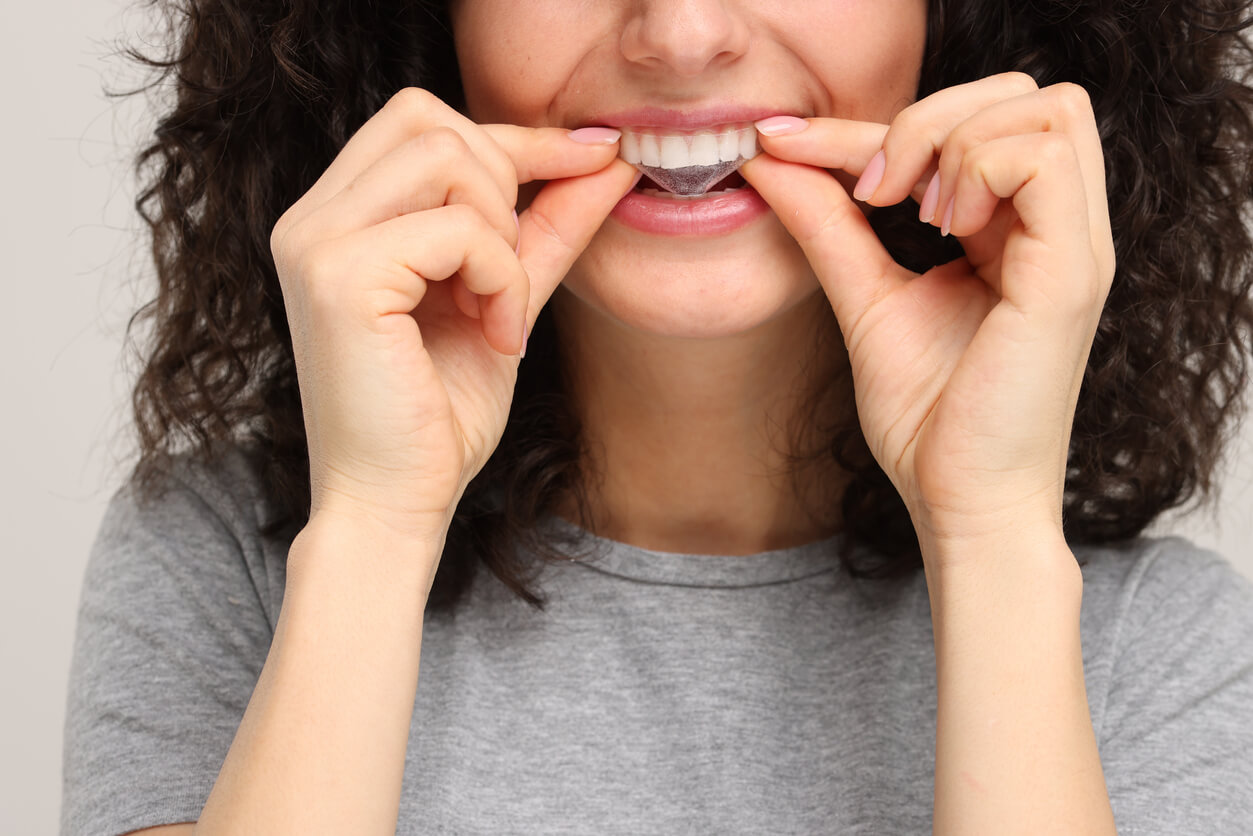
Whitening strips are thin flexible pieces of plastic coated with a peroxide based gel. The active bleaching agents are usually hydrogen peroxide or carbamide peroxide. These ingredients work by penetrating the outer layer of the teeth and breaking apart stain molecules that have built up over time.
That is why teeth whitening strips tend to work best on surface stains caused by coffee, tea, red wine, tobacco, or normal aging. They can whiten teeth that have yellowed on the outside, but they are less reliable for deeper stains, intrinsic stains, or discoloration caused by trauma, medication, or dental restorations.
In simple terms, whitening strips work a little like spot-cleaning a shirt. They can lift a lot from the surface, but they cannot always fix what has soaked deep into the fabric. That difference matters, because many people keep using whitening teeth strips longer than recommended when they do not see the result they expected.
Are Whitening Strips Bad for Your Teeth When Used as Directed?
For many people, whitening strips are not bad for your teeth if the teeth and gums are healthy and the product instructions are followed carefully. The American Dental Association notes that some teeth whitening products can be safe and effective when used properly, especially when they carry the ADA Seal of Acceptance.
That said, “safe” does not mean “harmless in every situation.” Even when whitening strips safe options are used exactly as directed, some people still notice temporary side effects of whitening. The most common are tooth sensitivity and gum irritation. Those side effects usually fade, but they are a sign that whitening treatments should be approached with some caution.
If you already have sensitive teeth, exposed roots, worn enamel, gum disease, untreated cavities, or cracked teeth, the answer to are whitening strips bad for your teeth becomes more personal. In those cases, the same strips that seem fine for one person can cause real discomfort or make an existing problem worse.
Why Whitening Strips Can Sometimes Cause Problems
The main reason whitening strips bad experiences happen is peroxide exposure. Whether the ingredient is hydrogen peroxide, carbamide peroxide, or a combination of hydrogen peroxide or carbamide, the goal is still the same: bleach stains. That bleaching action is what helps whiten teeth, but it can also irritate living tissues.
When whitening strips sit against the teeth, the whitening gel can temporarily make the enamel more porous and the nerves inside the tooth more reactive. That is why cold air, cold foods, or consuming hot drinks can suddenly feel sharper than usual. Tooth sensitivity after teeth whitening is common because the bleaching agents make it easier for temperature changes to travel through the tooth enamel.
The gums can also take a hit. If the strip overlaps the gum tissue, or if you leave whitening strips on longer than directed, the peroxide may irritate the gums and even cause small white patches or chemical burns. These spots usually heal, but they are a clear sign that the product was too strong, poorly fitted, or left in place too long.
The Most Common Side Effects of Whitening Strips
The side effects of whitening are usually mild, but they are worth knowing before you use whitening strips.
First is tooth sensitivity. This may feel like zingers, sudden sharp pain, or aching when you eat hot or cold foods. Some people only notice it for a day or two. Others with sensitive teeth may feel it throughout the full whitening teeth treatment.
Second is gum irritation. Whitening strips are thin, but they are not custom-fitted like trays from a dentist. That means whitening dental strips can touch the gums in ways that are hard to control. If strips can cause a burning feeling, redness, or sore spots, stop using them and give your mouth a break.
Third is uneven whitening. Because whitening strips are thin flexible bands that only contact certain surfaces, they may not cover every contour of the teeth evenly. Crooked teeth, overlapping teeth, and worn edges can all lead to patchy results. White strips can also leave darker areas around attachments, fillings, crowns, or bonding.
Finally, there is the risk of overuse of whitening strips. People often assume that if a little is good, more must be better. That is where whitening strips damage concerns become more realistic. Repeated use without breaks can increase sensitivity, irritate gums, and raise the risk of enamel erosion over time.
Can Whitening Strips Damage Enamel?
This is where the conversation gets more nuanced. Used correctly, most whitening strips are not expected to strip away healthy enamel in a dramatic way. But frequent or improper use can contribute to enamel damage, especially if the teeth are already vulnerable.
Enamel is the hard outer shell of the tooth, but it is not invincible. It is more like ceramic than steel: strong, but not immune to wear. Repeated exposure to bleaching agents, especially at high concentrations or for longer than recommended, can dry the tooth surface and make the enamel temporarily weaker. In combination with acidic drinks, aggressive brushing, or grinding, that can push the mouth closer to enamel erosion.
So do whitening strips damage teeth? They can if they are misused. Can whitening strips damage teeth in a healthy mouth when used as directed? Usually not in a severe or permanent way. But if you already have thinning tooth enamel, recession, or untreated dental issues, the margin for error gets much smaller.
For readers concerned about protecting enamel while still improving their smile, this guide on keeping tooth enamel healthy offers helpful next steps.
When Whitening Strips Are a Poor Choice
There are several situations where it may be smarter to avoid whitening strips and talk with a dentist first.
If you have gum disease, whitening strips can make inflamed gums angrier. If your gums already bleed when you floss, adding peroxide to the mix is like pouring lemon juice on a paper cut. It does not solve the underlying issue, and it can make oral health feel worse.
If you have fillings, crowns, veneers, or other dental restorations on visible teeth, whitening strips may create a mismatch. Natural enamel may lighten, but restorations do not respond the same way to whitening products. That can leave the smile looking uneven rather than refreshed.
If you have intrinsic stains or deeper stains, teeth whitening strips work poorly compared with professional treatments. In such cases, more strip use does not necessarily mean better outcomes. It may simply mean more sensitivity and frustration.
You should also avoid whitening strips if you have untreated cavities, cracked teeth, or exposed roots. In those situations, peroxide can get where it should not, and the discomfort may require professional intervention.
Are Teeth Whitening Strips Safe for Everyone?
Teeth whitening strips safe is not a yes-or-no question for every person. They are generally safe for adults with healthy teeth and gums, but they are not ideal for everyone.
Teenagers, pregnant patients, and people with ongoing dental problems should check with a dentist before starting any whitening teeth treatment. The same goes for anyone with chronic sensitivity or a history of enamel erosion. If discomfort occurs early in the process, do not try to power through it. That is your mouth asking for a different plan.
It is also worth remembering that over the counter products are made for the average smile, not your specific one. A dentist can tell you whether your stains are likely to respond, whether your enamel can tolerate peroxide, and whether professional whitening would be more predictable.
How to Use Whitening Strips More Safely
If you do want to use whitening strips, a few simple habits can lower the risk.
Follow the product instructions exactly. Do not assume that leaving the strips on longer will give you a more radiant smile. When people leave whitening strips on too long, they are more likely to experience gum irritation, chemical burns, and stronger tooth sensitivity.
Do not use whitening strips more often than directed. Overuse of whitening strips is one of the biggest reasons whitening strips bad stories show up online. If a box says once a day for two weeks, that is not an invitation to double up before a wedding or reunion.
Dry your teeth lightly before applying the strips so they adhere better, and fold any excess away from the gums if possible. After treatment, avoid immediately brushing hard, since the enamel may be temporarily more reactive.
If your teeth feel sore, take a break. You can also switch to a toothpaste made for sensitive teeth. Some people find it helpful to alternate with a mild whitening toothpaste rather than running back-to-back strip cycles.
Whitening Strips vs Professional Whitening
At-home strips are convenient, but they are not the same as professional teeth whitening. The difference is not just strength. It is control.
Professional whitening uses controlled peroxide levels, customized application, and supervision from a dentist. That matters if you have uneven tooth shape, existing restorations, or a history of sensitivity. Professional teeth whitening treatments can often whiten teeth more evenly while reducing the chance that the gums get splashed with whitening gel.
Another advantage is diagnosis. A dentist can tell whether your stains are from coffee or from something deeper. If the discoloration is caused by internal changes in the tooth, strips may not help much and may require professional intervention instead.
If you are comparing home options with in-office care, this article on teeth bleaching vs. whitening explains the differences in a practical way. You can also learn more about professional smile-brightening options if you want results with more oversight.
Signs You Should Stop and Call a Dentist
Some side effects are temporary. Others are a cue to stop immediately.
If you develop lingering pain, severe tooth sensitivity, visible gum burns, or pain when biting, stop using the strips and call a dentist. The same is true if you notice one tooth turning darker, not lighter, since that may point to a problem unrelated to normal stains.
If whitening strips damage seems possible because your teeth stay sore for days, or if discomfort occurs every time you restart treatment, do not keep experimenting. Such cases often need professional intervention, especially when there may be cavities, receding gums, or enamel damage involved.
A whiter smile should not come at the cost of your dental health. If the process feels like punishment, it is probably the wrong method for your mouth.
The Bottom Line on Whitening Strips
So, are whitening strips bad for your teeth? Not inherently. For many people, teeth whitening strips safe options can remove stains and create a brighter smile without major issues. But whitening strips are not one-size-fits-all, and they are easy to misuse.
The biggest risks come from using them too often, using them too long, or using them when your teeth and gums are already compromised. That is when whitening strips damage, gum irritation, uneven whitening, and enamel erosion become more than just possibilities.
If your goal is a whiter smile and your mouth is healthy, whitening strips may be a reasonable starting point. If you have sensitive teeth, dental restorations, gum disease, or stubborn discoloration, it is smarter to talk with a dentist before reaching for another box. The best whitening plan is not always the fastest one on the shelf. It is the one that gives you a brighter smile without making your teeth pay for it later.