


How to Strengthen the Tooth Enamel and Keep It Healthy
Tooth enamel does a hard job quietly. It is the outermost layer of your teeth, and it takes the daily beating from chewing, grinding, hot coffee, cold drinks, acidic foods, sports, stress, and the occasional bad habit you swear you are going to stop next week. Enamel is the body’s hardest substance, but it is not indestructible. Once it starts wearing down, your teeth can become sensitive, more vulnerable to cavities, and more likely to chip or stain.
If you have been wondering how to strengthen the tooth enamel, the good news is that you can do a lot to protect what you have and support remineralization in the early stages of enamel weakening. The key is understanding what enamel needs, what damages it, and when it is time to get professional help.
At Grant Family Dentistry, we believe great dental care should go beyond fixing problems after they show up. It should help patients in Meeker, Rangely, and surrounding Colorado communities stay ahead of them. Enamel protection is one of those areas where small habits can make a real difference.
What Tooth Enamel Actually Does
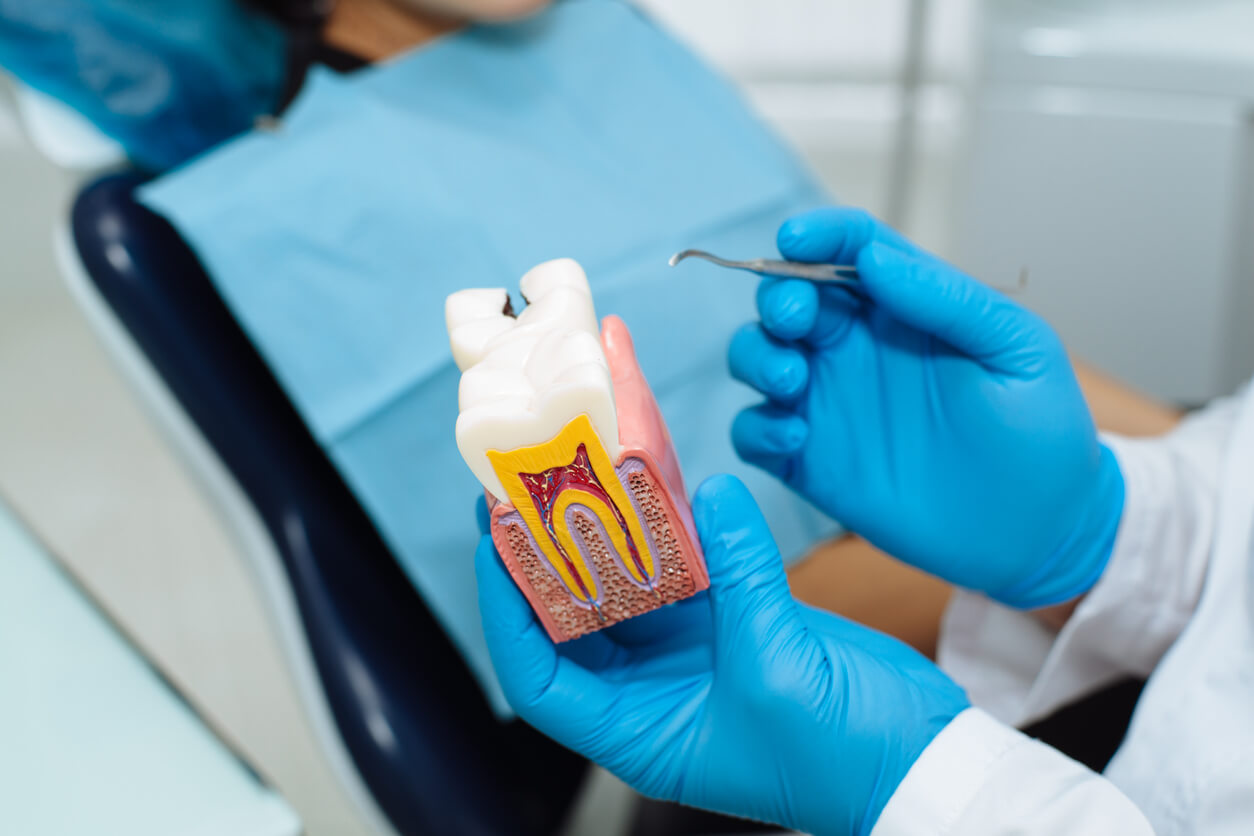
Enamel is the thin but incredibly strong outer shell that covers each tooth. Think of it like the glossy finish on a hardwood floor. It is what stands between the softer inner parts of the tooth and the friction, pressure, and chemical exposure of daily life. When enamel is healthy, your teeth are better protected from decay, temperature sensitivity, and wear.
Unlike skin or bone, enamel cannot regenerate once it is lost. That is the part many people do not realize. You can help weakened enamel reharden through remineralization, but if enamel has already eroded away, your body does not simply grow it back. That is why prevention matters so much. Protecting enamel is less like patching a tire and more like maintaining the roof before the leak starts.
Signs Your Enamel May Be Weakening
Enamel erosion often starts quietly. You may not notice it right away because the changes can be gradual. A little sensitivity here, a slightly rough edge there, maybe your teeth look a bit more yellow than they used to. Since the dentin under the enamel is naturally more yellow, thinning enamel can change the appearance of your smile.
Some common signs of weakened enamel include:
- Tooth sensitivity to hot, cold, or sweet foods
- Yellowing teeth
- Rough or uneven tooth edges
- Small chips or cracks
- Increased cavities
- Shiny or smooth spots on the teeth
- Pain when eating acidic or sugary foods
If any of those sound familiar, it is worth having your teeth evaluated. Enamel damage can sometimes be slowed early, but it tends to get more expensive and more uncomfortable when ignored.
What Causes Enamel to Wear Down
There is rarely just one culprit. Enamel erosion usually happens because of a pattern of daily exposure. Acid is one of the biggest offenders. Sodas, sports drinks, citrus fruits, energy drinks, wine, and even flavored sparkling water can soften enamel over time. It is not always about how much you consume. Often, it is how often your teeth are exposed.
Dry mouth is another major factor. Saliva helps neutralize acids and provides minerals that support enamel. If your mouth is dry from medications, dehydration, mouth breathing, or certain health conditions, enamel loses one of its best natural defenses. Teeth grinding, aggressive brushing, acid reflux, and frequent snacking can also contribute. In other words, enamel damage is often less like one dramatic accident and more like a fence post slowly rotting at the base.
How to Strengthen the Tooth Enamel Naturally
If you want to know how to strengthen the tooth enamel naturally, the answer starts with giving your teeth the minerals and environment they need to stay resilient. While you cannot regrow enamel that is gone, you can support early-stage remineralization and reduce further damage.
That means focusing on daily habits that lower acid exposure, improve saliva flow, and keep your teeth supplied with calcium and phosphate. These are the raw materials enamel depends on. Good oral care is not just about scrubbing your teeth clean. It is about creating conditions where your enamel can hold its ground.
Use Fluoride Toothpaste Consistently
Fluoride is one of the best-known tools for strengthening enamel. It helps remineralize weakened areas and makes teeth more resistant to acid attacks from bacteria and food. Using a fluoride toothpaste twice a day is a simple habit that pays off over time.
A lot of people underestimate how important consistency is here. Brushing once in a while with a good toothpaste is not enough. Enamel protection is built in layers, the same way weatherproofing works on a house. A little care every day does more than occasional bursts of effort after your teeth start feeling sensitive.
Drink More Water, Especially After Meals
Water does more than rinse your mouth. It helps wash away food particles, dilute acids, and support saliva production. If you have had coffee, soda, sports drinks, or something acidic, drinking water afterward can help reduce the amount of time those acids sit on your teeth.
This is especially helpful in dry climates like Colorado, where dehydration can sneak up on people faster than they expect. If you live in Meeker or Rangely and spend time outdoors, work in the field, or stay active, keeping hydrated is not just good for your body. It is good for your enamel too.
Eat More Enamel-Friendly Foods
Foods rich in calcium and phosphorus help support strong teeth. Dairy products like cheese, yogurt, and milk are classic examples, but leafy greens, almonds, tofu, eggs, fish, and nuts can help as well. Crunchy fruits and vegetables can also stimulate saliva, which gives your mouth more natural protection.
Cheese, in particular, gets a gold star here. It helps neutralize acid and provides minerals your teeth can use. So yes, there are worse health recommendations than ending a meal with a piece of cheese. Compare that to sipping soda for two hours straight, and your enamel would absolutely have a preference.
Avoid Constant Snacking and Sipping
Every time you eat or drink something sugary or acidic, your mouth enters an acid attack phase. If you are snacking all day or slowly sipping on sweetened coffee, soda, or energy drinks, your teeth barely get a break. It is not just what you consume. It is the repeated exposure.
Try to keep meals and snacks more structured instead of grazing from morning to night. If you do have something acidic, it is better to have it with a meal than to drag it out over hours. Your enamel needs recovery time, and constant exposure makes that harder.
Best Habits for Protecting Tooth Enamel Every Day
Healthy enamel is usually the result of ordinary routines done well. It is not glamorous. It is not dramatic. It is brushing before bed when you are tired, choosing water instead of another soda, and not using your teeth like a multitool to open packaging.
The daily choices are where enamel either stays strong or starts slipping. A few practical habits can make a major difference over time.
Brush Gently, Not Aggressively
A lot of people think brushing harder means brushing better. It does not. Scrubbing your teeth with too much force or using a hard-bristled toothbrush can wear down enamel and irritate your gums. You are cleaning tile, not sanding a deck.
Use a soft-bristled toothbrush and gentle circular motions. Let the bristles and toothpaste do the work. If your toothbrush looks flattened or frayed quickly, that can be a sign you are brushing too hard.
Wait Before Brushing After Acidic Foods
This surprises people. If you have just had something acidic, your enamel may be temporarily softened. Brushing immediately can actually do more harm than good by rubbing that softened surface. It is better to rinse with water and wait about 30 minutes before brushing.
That timing matters after orange juice, soda, tomatoes, wine, or citrus-heavy snacks. Think of enamel after acid exposure like wet concrete. It needs a little time before you start working over the surface.
Chew Sugar-Free Gum
Sugar-free gum, especially gum with xylitol, can help stimulate saliva production. More saliva means better acid neutralization and more support for remineralization. This can be especially helpful after meals when brushing is not possible.
It is not a replacement for brushing or flossing, but it can be a smart backup. For busy parents, commuters, students, or anyone running from one thing to the next, this is one of those small practical habits that fits real life.
Wear a Night Guard if You Grind Your Teeth
Teeth grinding can wear enamel down faster than many people realize. If you clench or grind at night, your teeth are under repeated pressure for hours. Over time, that can flatten biting surfaces, create tiny fractures, and leave enamel vulnerable.
If you wake up with jaw soreness, headaches, or sensitive teeth, grinding may be part of the picture. A custom night guard can help protect your enamel from that constant mechanical wear.
Foods and Drinks That Can Damage Enamel
Some foods and drinks are rougher on enamel than others. Acidic beverages are the obvious ones, but sticky sweets and highly processed carbs can also feed the bacteria that produce enamel-damaging acids. Even healthy foods can be a problem if they are acidic and consumed constantly.
Common enamel offenders include:
- Soda and diet soda
- Energy drinks
- Sports drinks
- Citrus fruits and juices
- Sour candy
- Wine
- Sweetened coffee drinks
- Frequent sugary snacks
- Ice chewing
This does not mean you have to live a joyless life of plain toast and room-temperature water. It just means being smart about frequency, rinsing with water, and giving your teeth a chance to recover.
Can Tooth Enamel Be Rebuilt?
This is one of the most common questions dentists hear. Technically, enamel that is fully lost cannot be rebuilt by the body. However, early enamel damage can often be supported through remineralization. That is the process where minerals like calcium and phosphate are redeposited into weakened enamel.
Fluoride treatments, prescription-strength toothpaste, dietary changes, saliva support, and better oral hygiene can all help strengthen enamel before the damage becomes more advanced. If the enamel loss is significant, restorative treatments like bonding, crowns, or other dental solutions may be needed to protect the tooth and restore function.
Professional Treatments That Help Protect Enamel
Home care is essential, but sometimes enamel needs professional support. If your teeth are already sensitive, showing visible wear, or developing cavities, your dentist can recommend treatments based on the level of damage.
Professional fluoride treatments can help strengthen vulnerable areas. Tooth-colored fillings can restore teeth affected by decay. Dental bonding may help cover worn or chipped spots. In cases of more severe damage, crowns can protect weakened teeth and restore their shape and strength. The right option depends on what your enamel is dealing with now, not what it looked like five years ago.
When to See a Dentist About Enamel Erosion
If your teeth have become more sensitive, look more yellow, chip more easily, or feel rough around the edges, do not shrug it off. Enamel erosion tends to progress, and once it does, the tooth underneath becomes more vulnerable. Early treatment is usually simpler, more conservative, and less costly.
At Grant Family Dentistry, we help patients in Meeker, Rangely, and nearby communities identify the cause of enamel wear and create a plan to protect their smiles. That may mean adjusting your home care routine, addressing dry mouth or grinding, or treating damage before it turns into something bigger.
Keep Your Enamel Strong for the Long Haul
Learning how to strengthen the tooth enamel is really about understanding that enamel health is built through daily choices. Use fluoride toothpaste. Drink more water. Cut back on constant snacking and acidic drinks. Brush gently. Stay consistent with preventive care. These habits may seem small, but they stack up.
Your enamel is like the front line for your smile. Once it starts breaking down, everything behind it becomes more exposed. Taking care of it now can help you avoid sensitivity, decay, and costly repairs later. If you are concerned about enamel erosion or want personalized guidance on keeping your teeth healthy, schedule an appointment with Grant Family Dentistry. We are here to provide compassionate, high-quality care that helps you protect your smile for years to come.