



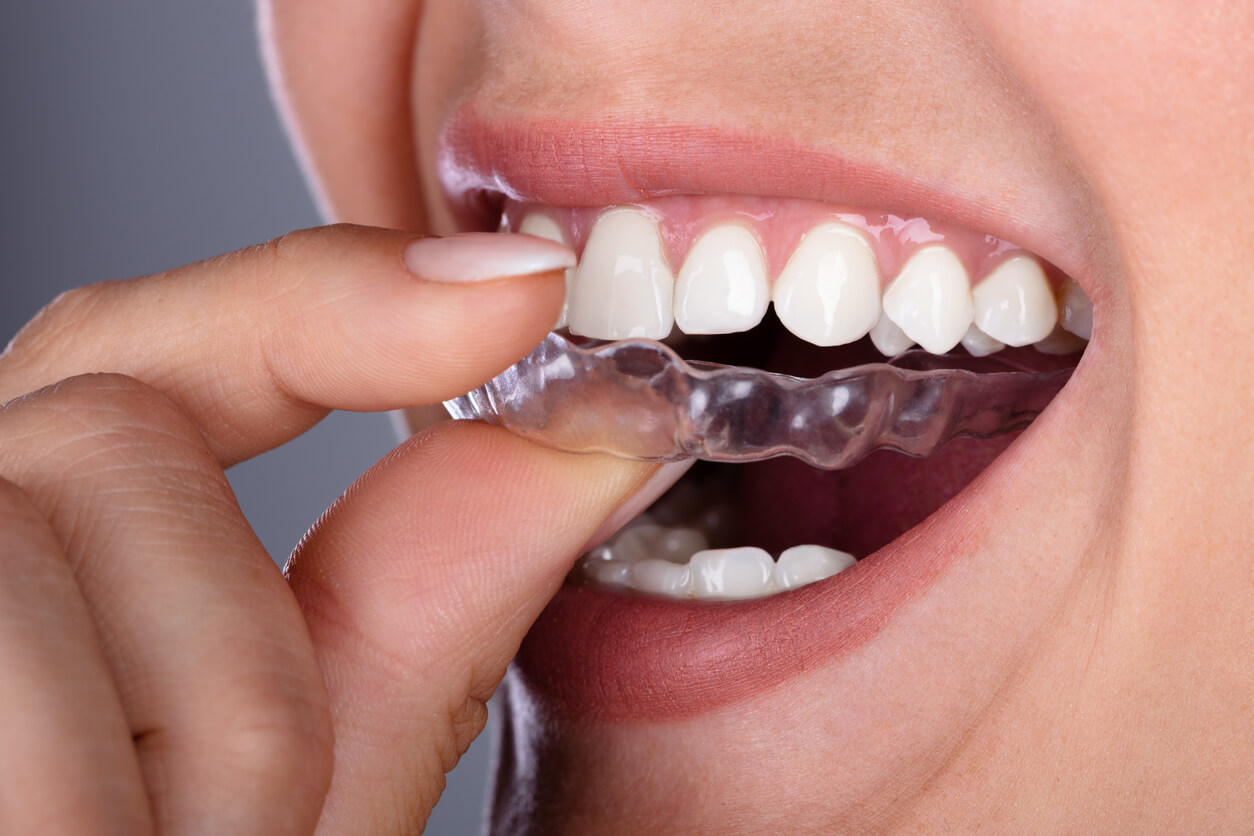
Do Clear Aligners Hurt? What Patients Actually Experience
If you’re thinking about straightening your teeth, one of the first questions that usually comes up is simple and honest: do clear aligners hurt?
The short answer is this: clear aligners can cause some soreness and pressure, especially when you first start treatment or switch to a new set of trays. But for most patients, it’s not the kind of pain that stops daily life. It’s more like the feeling you get after starting a new workout routine, your body notices the change, complains a little, then adapts.
That distinction matters. A lot of people imagine orthodontic treatment as a constant ache, or assume that moving teeth must automatically mean severe pain. In reality, most patients describe clear aligners as uncomfortable at times, not unbearable. The trays are designed to apply steady, controlled pressure, and that pressure is what gradually shifts teeth into better alignment.
At Grant Family Dentistry, patients often want the facts without the sales pitch. That’s fair. If you’re considering clear aligners, you deserve to know what treatment actually feels like, what’s normal, what’s not, and how to make the process easier from day one.
Why Clear Aligners Can Feel Uncomfortable
Clear aligners work by gently pushing teeth in very specific directions. Each new tray is slightly different from the last, and that small difference is what creates movement. Your teeth are not being forced all at once; they’re being nudged, millimeter by millimeter, over time.
That pressure is the reason aligners can feel sore. The tissues around your teeth, including the periodontal ligament and surrounding bone, need time to respond. When a new tray goes in, your mouth recognizes that something is changing. For a day or two, it may feel tight, tender, or mildly irritating.
This is actually a sign that the aligners are doing their job. If a tray feels snug at first and then easier after a couple of days, that usually means your teeth are adapting as intended. Think of it like putting on a new pair of boots: stiff at first, then gradually more natural as they break in.
Still, there’s a difference between expected pressure and true pain. Most patients experience the former. If you’re dealing with sharp pain, cuts, severe bite changes, or trays that seem impossible to seat, that’s worth discussing with your dentist.
What Clear Aligners Usually Feel Like at the Beginning
The first few days are often the most noticeable. When patients ask whether clear aligners hurt, they’re usually asking about this stage. Starting treatment can feel strange because your mouth is adjusting to both the pressure and the presence of the trays themselves.
You may notice tenderness when biting into food after removing the aligners. Some people say their teeth feel a little “bruised,” especially the front teeth. Others describe it as a dull pressure that comes and goes. It’s common to be more aware of your teeth than usual, almost like your mouth has a spotlight on it for a few days.
The trays can also feel bulky at first, even though they’re slim and custom-made. Your tongue may keep checking them like it’s suspicious of a new roommate. You might have a slight lisp for a short time. That usually improves quickly as your speech adjusts.
Most patients settle into treatment faster than they expect. The first week is often the biggest learning curve, not because the discomfort is severe, but because everything feels unfamiliar. Once the routine becomes normal, wearing trays, removing them, cleaning them, switching sets, the process tends to feel much more manageable.
Does Switching to a New Tray Hurt Every Time?
Usually, each new tray comes with a little pressure. That’s normal. But it’s often milder than the first set because by then, you know what to expect and your mouth has already adapted to the rhythm of treatment.
Many patients notice the most soreness during the first 12 to 48 hours after changing aligners. The trays may feel very tight when you snap them in. You may also feel sensitivity when chewing, especially with crunchy or firm foods. Then the pressure fades as your teeth begin moving into the new position.
Not every tray feels the same. Some sets barely register. Others feel more intense because they’re moving a tooth that’s stubborn, rotated, crowded, or sitting higher than the rest. Orthodontic movement is rarely dramatic from one tray to the next, but some stages of treatment ask more from certain teeth.
That uneven pattern can catch people off guard. One week feels easy, and the next feels like your aligners suddenly got an attitude. Usually, that’s still within the normal range. Treatment is active, and active movement can be felt.
Clear Aligners vs Braces: Which Hurts More?
In general, many patients find clear aligners more comfortable than traditional braces. That doesn’t mean aligners are sensation-free. It means the kind of discomfort is often easier to tolerate.
Braces involve brackets, wires, tightening appointments, and the possibility of metal rubbing against the cheeks or lips. Anyone who has ever had a wire poking the inside of the mouth knows that orthodontic discomfort can get very specific, very fast. Clear aligners avoid a lot of that because they’re smooth, removable, and custom-fitted.
With aligners, the most common issue is pressure, not abrasion. You may feel soreness in the teeth, but you’re less likely to deal with the repeated friction and emergency wire problems that can happen with braces. For adults and teens who want a more discreet option that fits daily life, that difference matters.
That said, comfort depends on the case and the patient. Some movements are simply more challenging than others. If your treatment is more complex, you may still feel periods of tenderness. The goal isn’t zero sensation. The goal is effective, controlled movement with as little disruption as possible.
What Kind of Pain Is Normal?
Normal discomfort with clear aligners usually includes mild soreness, tightness, pressure, temporary tooth sensitivity, and slight irritation where the tray edges touch soft tissue. These symptoms are typically short-lived and most noticeable after starting treatment or switching to a new aligner.
You may also feel some tenderness when chewing after removing the trays. This can make foods like crusty bread, raw carrots, or steak feel less appealing for a day or two. Softer foods often sound much better during that window, and there’s nothing wrong with leaning into mashed potatoes, yogurt, eggs, soup, or pasta while things calm down.
A small amount of gum irritation can also happen if the edge of a tray feels rough. Sometimes that’s due to a tiny manufacturing edge or simply the way the tray sits against the tissue. In many cases, this can be adjusted easily.
What’s not normal is severe pain that keeps getting worse, bleeding from tray edges, a tray that will not fit, a tooth that feels loose in a frightening way, or pain that wakes you up and doesn’t improve. If the discomfort feels sharp, extreme, or out of proportion, it’s time to contact your dental office.
How Long Does Clear Aligner Discomfort Last?
For most patients, soreness is temporary. When starting a new set of aligners, discomfort often peaks within the first day and improves over the next couple of days. By day three or four, many people barely notice the tray they’re wearing.
The first aligners may take a little longer to get used to because your mouth is adjusting to the whole process. Later trays usually follow a more predictable pattern: tight at first, then easier. If you wear your aligners consistently as instructed, your teeth tend to track more smoothly, which can make transitions between trays more comfortable.
Inconsistent wear can make each tray change feel worse. If aligners are left out too long, teeth can start drifting back, even slightly. Then when the tray goes back in, it feels tighter than it should. That can turn a manageable pressure into a rough restart.
This is one reason compliance matters so much. Clear aligners are convenient, but they also ask for discipline. The more faithfully you wear them, the more likely treatment is to stay on track and feel predictable.
Tips to Make Clear Aligners More Comfortable
There are several simple ways to reduce soreness and make treatment easier. None of them are glamorous, but they work.
First, consider switching to a new tray at night. That way, the initial pressure happens while you’re sleeping through part of it. By morning, you’ve already logged several hours of wear, and the tray may feel less intense.
Second, wear your aligners for the recommended number of hours each day. This is one of the biggest factors in comfort. Consistent wear helps your teeth adapt gradually instead of repeatedly getting surprised.
Third, eat softer foods if your teeth feel sore. This isn’t forever. It’s just practical. On tender days, your mouth may not be in the mood for crunchy snacks and chewy meats, and forcing it usually doesn’t win you any points.
Fourth, ask your dentist whether over-the-counter pain relief is appropriate for short-term soreness. Some patients also find that drinking cool water with the trays in helps calm irritation.
Fifth, if a tray edge is rubbing, let your dental team know. In some cases, a minor adjustment can solve the problem quickly. Patients sometimes assume they should just tough it out, but avoidable irritation should be addressed.
And finally, keep your aligners clean. Dry, dirty trays can feel worse in the mouth and contribute to irritation. A clean tray simply feels better.
Why Some Patients Feel More Discomfort Than Others
Not everyone experiences clear aligners the same way. One patient shrugs off every tray change like it’s nothing. Another notices every shift. That doesn’t necessarily mean something is wrong. Bodies are different, pain thresholds are different, and tooth movement is not identical from case to case.
Crowding, spacing, bite issues, and rotations can all affect how aligners feel. A tooth that needs to twist, rise, or move into a tight space may be more noticeable than one making a smaller adjustment. Attachments, which are small tooth-colored shapes placed on certain teeth to help guide movement, can also make trays feel tighter.
Some patients are also naturally more sensitive to pressure. If you’ve always had sensitive teeth, you may notice aligner changes more than someone who hasn’t. Stress can play a role too. When people are tense, tired, or hyper-focused on physical sensations, discomfort can feel louder.
That’s why real conversations matter. Good dental care is not just about handing someone a set of trays and hoping for the best. It’s about monitoring progress, checking fit, answering questions, and making sure treatment remains both effective and manageable.
When You Should Call Your Dentist
A little pressure is expected. Ongoing or severe pain is not something you should just ignore and “push through.” If your aligners feel wrong, trust that instinct.
You should contact your dentist if a tray doesn’t seat properly, if pain is sharp or worsening after several days, if the aligners are cutting your gums, if an attachment falls off, or if you notice a tooth not tracking correctly. The earlier a problem is addressed, the easier it usually is to fix.
This is especially important in communities like Meeker and Rangely, where patients often appreciate straightforward care and practical solutions. You don’t want to waste weeks wondering if something is normal when a quick conversation could clear it up.
Orthodontic treatment should feel active, but it should also feel supervised. If something seems off, say something.
The Honest Answer: Do Clear Aligners Hurt?
Sometimes, yes, but usually not in the way people fear.
Clear aligners can cause temporary soreness, tightness, and pressure, especially at the beginning of treatment and when switching to a new tray. For most patients, that discomfort is mild to moderate and fades quickly. It’s far more accurate to think of aligners as an adjustment than an ordeal.
The bigger surprise for many people is not that aligners hurt a little. It’s that the process becomes routine so fast. What feels strange in week one often becomes background noise by week three. You learn when to change trays, what foods are easiest on sore days, and how to tell the difference between normal pressure and something that needs attention.
If you’ve been putting off treatment because you’re worried about pain, it helps to talk through your specific case with a dentist who understands both the mechanics and the human side of care. Clear aligners are designed to fit real life, not derail it.
If you’re considering clear aligners and want an honest conversation about what to expect, Grant Family Dentistry can help you understand your options and whether treatment is the right fit for your smile.