


How to Speed Up Recovery After Wisdom Teeth Removal
Wisdom teeth removal is one of the most common oral surgeries performed every year. Millions of people undergo the procedure to prevent pain, infection, and crowding caused by third molars that don’t fit. The surgery itself is often quick, usually under an hour, but what happens afterward determines how smoothly you heal.
If you’re wondering how to speed up wisdom teeth removal recovery, the answer lies in consistency. Protecting the surgical sites, controlling inflammation, and closely following your oral surgeon’s instructions can make a measurable difference in how quickly you heal.
This guide outlines practical steps to help you recover more quickly and comfortably after having your wisdom teeth removed.
Table of Contents
- Understanding Wisdom Teeth Extraction
- Recovery Timeline: What to Expect
- How to Speed Up Recovery From Wisdom Teeth Removal
- Factors That Affect Your Recovery
- When to Contact Your Dentist
- Trust Your Wisdom Teeth Removal to Colorado Dental Experts
Understanding Wisdom Teeth Extraction
Wisdom teeth, also called third molars, typically emerge between the ages of 17 and 25. These teeth are located at the very back of your mouth in both the upper and lower jaw. Many people’s jaws are simply too small to accommodate these teeth comfortably. Sometimes, the teeth may grow at unusual angles or become impacted (trapped beneath the gum or bone).
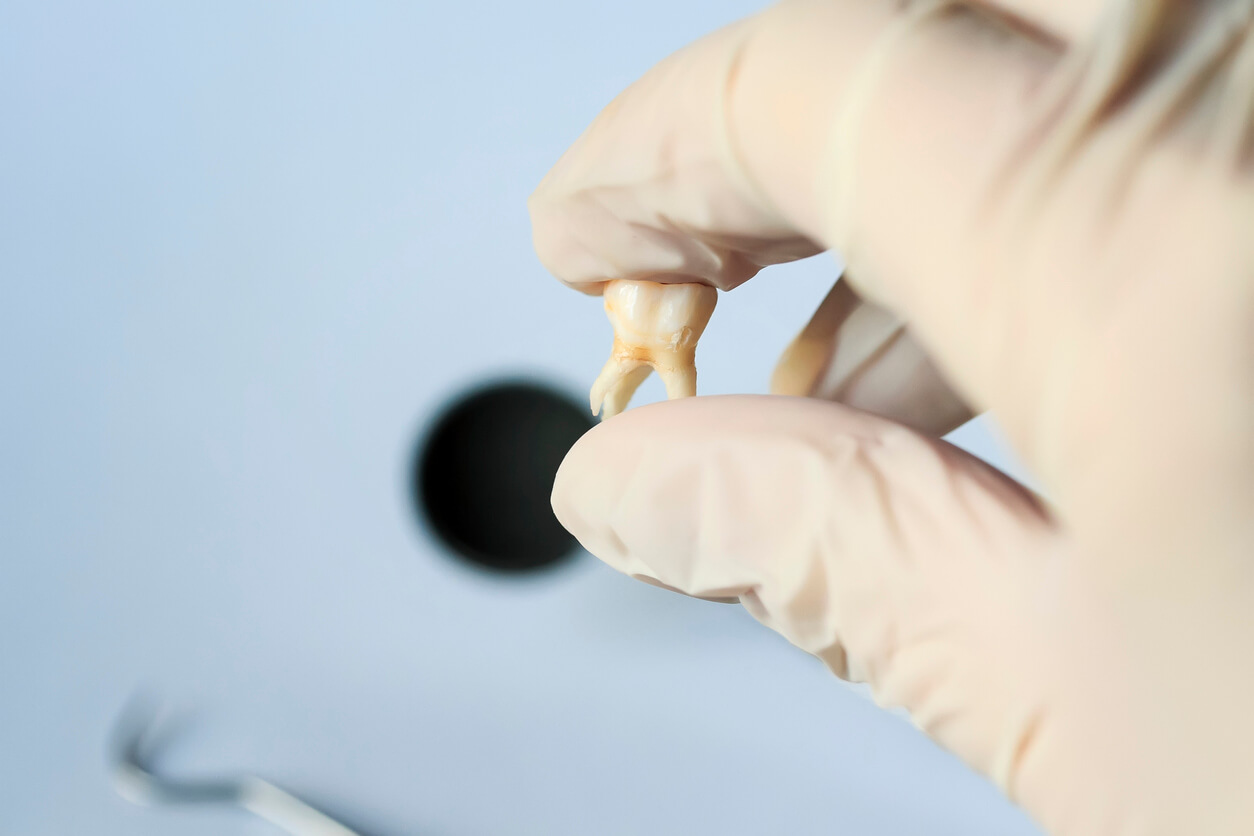
Many dentists recommend the removal of wisdom teeth that are impacted or likely to cause complications. These include overcrowding, infection, cyst formation, or damage to adjacent teeth. During the procedure, your surgeon administers anesthesia and carefully extracts the tooth. They typically inject a numbing agent into the empty socket to extend immediate pain relief.
Recovery Timeline: What to Expect
Knowing what to expect during the healing process can make the recovery feel less stressful. Understanding each stage makes it easier to recognize when something needs extra attention from your dental professional.
Days 1-2
The first 48 hours after extraction are the most crucial for preventing complications. During this window, your body forms blood clots at the extraction sites. This process is essential for the healing process.
What you’ll experience: Mild to moderate swelling, bruising around the jaw and face, some residual bleeding, and discomfort requiring pain medication. Swelling typically peaks at 24-48 hours after extraction and may be more pronounced in the lower jaw.
Days 3-7
By day three, most patients notice significant improvement. The acute pain subsides to manageable discomfort, and you may feel ready to engage in light activities.
What you’ll experience: Decreased swelling and pain, improved mouth opening, minimal bleeding, and growing confidence that you’re progressing well. Many patients return to light work or school around day 3 or 4. However, your surgeon may recommend waiting longer, depending on the complexity of the extraction.
Weeks 2-4: Return to Function
Most patients experience substantial improvement by the second week. While some swelling and minor discomfort may persist, recovery is clearly progressing.
What you’ll experience: Most bruising and swelling resolved, minimal pain, ability to eat a wider variety of soft foods, and return to normal activities for most people. Some residual bruising around the jawline may persist for up to two weeks.
Weeks 4-12: Ongoing Healing
Soft-tissue healing and the replacement of granulation tissue with woven bone typically occur within approximately 6 to 8 weeks. However, deeper bone remodeling and anatomical maturation continue for several months (typically 3–6 months or longer). This means you’ll feel fully recovered by 6-8 weeks, but the extraction sites will continue to heal at a deeper level.
What you’ll experience: Return to normal eating, complete resolution of pain and swelling, resumption of all normal activities. These include exercise and sports, as well as normalization of sensation in the affected area.
How to Speed Up Recovery From Wisdom Teeth Removal
1. Prioritize Rest and Elevation in the First 48-72 Hours
Rest is essential for speeding up the healing process. When you rest, your body prioritizes healing over other functions, directing blood flow to surgical sites and accelerating tissue formation.
Your body’s immune system and natural healing processes are most active during rest and sleep. White blood cells work to prevent infection, and new tissue formation accelerates.
- Rest at home for at least the first day after surgery
- Avoid work, school, and strenuous activities for at least 3-5 days
- Sleep with your head elevated on 2-3 pillows to reduce swelling and improve circulation
- Take prescribed pain medications as directed, as managing pain well enables proper rest
- Avoid driving for at least 24 hours after anesthesia (arrange transportation in advance)
2. Use Cold Therapy During the First 48 Hours
Cold therapy is a commonly recommended post-extraction approach with mixed but promising evidence.
While scientific studies yield inconsistent results, cold application may help reduce swelling in the immediate post-operative period. It constricts blood vessels and decreases inflammation at surgical sites. Many patients find it provides subjective comfort relief, even when clinical benefits are modest.
Proper technique:
- Apply ice packs or cold compresses to your cheeks (not directly against skin) for 10-20 minutes at a time
- Take 20-30 minute breaks between applications
- Focus cold therapy on the first 24 hours after extraction, when it’s most likely to be beneficial
- Never apply ice directly to the skin to prevent frostbite
- After 24-48 hours, switch to warm compresses to improve circulation and promote healing
3. Manage Bleeding With Proper Gauze Application
Correct blood clot formation is crucial for preventing complications, such as dry socket. This condition significantly delays recovery by over a week.
- Bite firmly on gauze pads placed over the extraction sites for 30-60 minutes immediately after surgery
- Replace gauze every 30-45 minutes if bleeding persists
- Maintain firm, gentle pressure, and don’t chew on the gauze or remove it frequently to check
- If bleeding continues beyond the first few hours, place a damp tea bag on the site; natural tannins promote clotting
- Critical: Avoid spitting, rinsing vigorously, and using straws for at least 24 hours, as these actions can dislodge blood clots
4. Use Smart Pain Management
Pain medication serves a practical purpose beyond comfort. It allows you to rest, eat properly, and follow post-operative protocols, all of which support faster healing.
- Follow your dentist’s dosing schedule strictly, and don’t wait until pain becomes severe
- If over-the-counter medications are insufficient, use prescribed pain relief as directed
- Avoid alcohol while taking pain medications, as it reduces their effectiveness and impedes healing
- Most patients transition to over-the-counter pain relief within 3-5 days
5. Optimize Your Diet for Healing
Proper nutrition plays a crucial role in supporting your body’s healing process after tooth extraction. Research suggests that adequate nutrition supports immune function, collagen formation, and tissue repair. Pay special attention to staying hydrated and consuming foods with appropriate textures that won’t irritate or damage your extraction site.
Post-extraction foods during the recovery phase:
| Recovery Phase | Recommended Foods |
| Days 1-2 | Clear liquids, broths, gelatin, and ice cream (soft and soothing) |
| Days 3-7 | Soft foods, including yogurt, smoothies (without straws), applesauce, mashed potatoes, scrambled eggs, oatmeal, soft soups, pudding, and cottage cheese |
| Weeks 2-4 | Gradually introduce soft-textured foods, such as pasta, soft fish, beans, and soft bread. Return to a regular eating schedule as soon as your comfort level allows. |
Foods to avoid for at least one week: Crunchy foods (chips, nuts), hard foods (carrots, apples), spicy foods (which can irritate), sticky foods (caramel, peanut butter), and very hot foods (which can dislodge clots and increase bleeding)
Hydration and fluid intake:
- Drink plenty of water throughout recovery; adequate hydration supports immune function and tissue regeneration
- Avoid using straws for at least one week, since the suction can dislodge blood clots
- Sip water slowly from a cup or bottle instead
- Focus on consistent, adequate fluid intake as a fundamental part of healing
Key nutrients to consider:
While whole foods should be your primary source of nutrition, some research suggests that certain nutrients may support the healing process.
Consider adequate intake of vitamin C (found in fruits and vegetables), vitamin D, and calcium. If you have concerns about your nutritional status before or after surgery, consult your dentist to discuss supplementation options.
6. Maintain Gentle Oral Hygiene Without Disrupting Healing
Keeping your mouth clean prevents infection while protecting the delicate blood clots essential for healing. This balance is critical.
For the first 24 hours:
- Avoid vigorous rinsing or spitting
- Do not brush or floss teeth adjacent to the extraction site
After the first 24 hours:
- Brush your other teeth carefully with a soft-bristle toothbrush, avoiding extraction sites
- Use alcohol-free mouthwash if approved by your surgeon
- Do not floss near the extraction sites for at least one week
7. Warm Saline Rinses for Complication Prevention
Starting 24 hours after extraction, warm saline rinses help prevent post-operative complications, such as dry socket (also known as alveolar osteitis).
- Begin 24 hours post-extraction (not before)
- Mix 1/2 teaspoon of salt in 8 ounces of warm water
- Rinse gently after meals and before bed
- Avoid vigorous rinsing; let the solution gently flow from your mouth
- Continue for at least the first week post-extraction
Benefits:
- Significantly reduces the risk of alveolar osteitis (dry socket) compared to no rinse
- Helps cleanse the extraction site gently
- Supports proper healing without disrupting blood clots
8. Avoid Activities That Dislodge Blood Clots
Dry socket affects about 1–5% of routine tooth extractions. In 30% of cases, dry socket is frequently associated with extractions of mandibular third molars. It’s most often seen after the removal of lower wisdom teeth.
Research shows smokers are over three times more likely to develop dry socket. About 13% of smokers are affected compared to roughly 4% of non-smokers.
To prevent dry socket, avoid for at least one week:
- Smoking, which restricts blood flow and disrupts clot formation
- Forceful spitting; let liquids flow gently from your mouth
- Vigorous rinsing or gargling
- Poking at the extraction sites with your tongue or fingers
- Strenuous exercise and activities that increase blood pressure
- Alcohol, which can increase bleeding and interact poorly with pain medications
- Extremely hot foods and beverages, which can dissolve clots
9. Follow Your Dentist’s Post-Operative Instructions
One of the most effective ways on how to speed up your wisdom teeth removal recovery is to follow your dentist’s instructions strictly. Patients who adhere to these guidelines can recover faster and experience fewer complications. Your dentist has specific knowledge about the complexity of your extraction and your individual healing factors.
What to do:
- Follow medication schedules precisely
- Attend all scheduled follow-up appointments (typically within 7-10 days)
- Keep contact information for your surgeon readily available
- Call immediately if you experience severe or persistent pain, excessive bleeding, fever, or signs of infection
- Ask questions about anything you don’t understand
10. Recognize and Address Complications Early
While most extractions heal without complications, early intervention prevents minor issues from becoming major ones.
Common complications and when to call your surgeon:
- Dry Socket: Severe pain beginning 3-4 days after extraction, radiating from the socket toward your ear, temple, or chin. This requires professional treatment to manage pain and promote healing.
- Infection: Fever, increasing pain rather than decreasing, pus discharge, or facial swelling beyond the first 48 hours.
- Excessive Bleeding: Bleeding that doesn’t slow with gauze pressure after several hours, or bleeding that resumes after several days.
- Nerve Damage: Persistent numbness in your lip, tongue, cheek, or chin beyond a few days. While this is usually temporary, it should be monitored by your surgeon.
- Delayed Healing: Swelling that worsens after day 3 or pain that significantly increases after initial improvement warrants professional evaluation.
Factors That Affect Your Recovery
Recovery time varies significantly based on several factors:
- Age: Younger patients typically heal faster because their bodies mount more efficient immune responses. However, people of all ages recover successfully with proper care.
- Type of Extraction: Simple extractions of fully erupted teeth heal faster than surgical extractions of impacted teeth. Impacted wisdom teeth require bone removal and more extensive surgical manipulation, naturally requiring longer healing.
- Number of Teeth Extracted: Extracting all four wisdom teeth simultaneously is more traumatic than extracting one or two, and recovery time is accordingly longer.
- Overall Health Status: Patients with good general health, strong immune function, and no chronic conditions heal faster. Patients with diabetes, autoimmune conditions, or those taking immunosuppressive medications may experience slower healing.
- Adherence to Post-Operative Instructions: This is one of the few factors entirely within your control. Strict adherence to your surgeon’s instructions consistently leads to a faster, complication-free recovery.
- Smoking and Alcohol Use: Smoking restricts blood flow and disrupts clot formation. Alcohol interferes with pain medications and impedes healing. Avoiding both during recovery significantly speeds the process.
- Medications: Certain medications, particularly blood thinners, may increase the risk of bleeding. Discuss all medications with your dentist before extraction.
When to Contact Your Dentist
While most recovery proceeds smoothly, certain symptoms warrant immediate professional attention:
- Severe or persistent pain not controlled by medication
- Excessive bleeding that doesn’t improve with gauze pressure
- Fever (a sign of infection)
- Facial swelling that worsens after day 2
- Difficulty swallowing or difficulty breathing
- Persistent numbness beyond a few days
- Pus discharge or foul odor from the extraction sites
- Any symptoms that concern you
Trust Your Wisdom Teeth Removal to Colorado Dental Experts
Your wisdom teeth extraction deserves the expertise of a skilled team that prioritizes both precision and your comfort throughout the recovery process. At Grant Family Dentistry, Dr. Trevor Grant and Dr. Blake Alexander bring advanced surgical training, oral sedation certification, and years of experience. Our dentists understand that successful removal is only half the battle. That’s why we’re committed to guiding you through every stage of healing with detailed post-operative support, clear instructions, and immediate access to care in case of complications.
Serving the Meeker and Rangely communities at two convenient locations, Grant Family Dentistry combines exceptional clinical care with the personalized attention you deserve. Whether you’re facing a complex extraction or a routine removal, our team approaches each patient with the same dedication to excellence and commitment to building lasting relationships.
Schedule your extraction consultation at Grant Family Dentistry today. Call or book online to take the first step toward relief and recovery.