



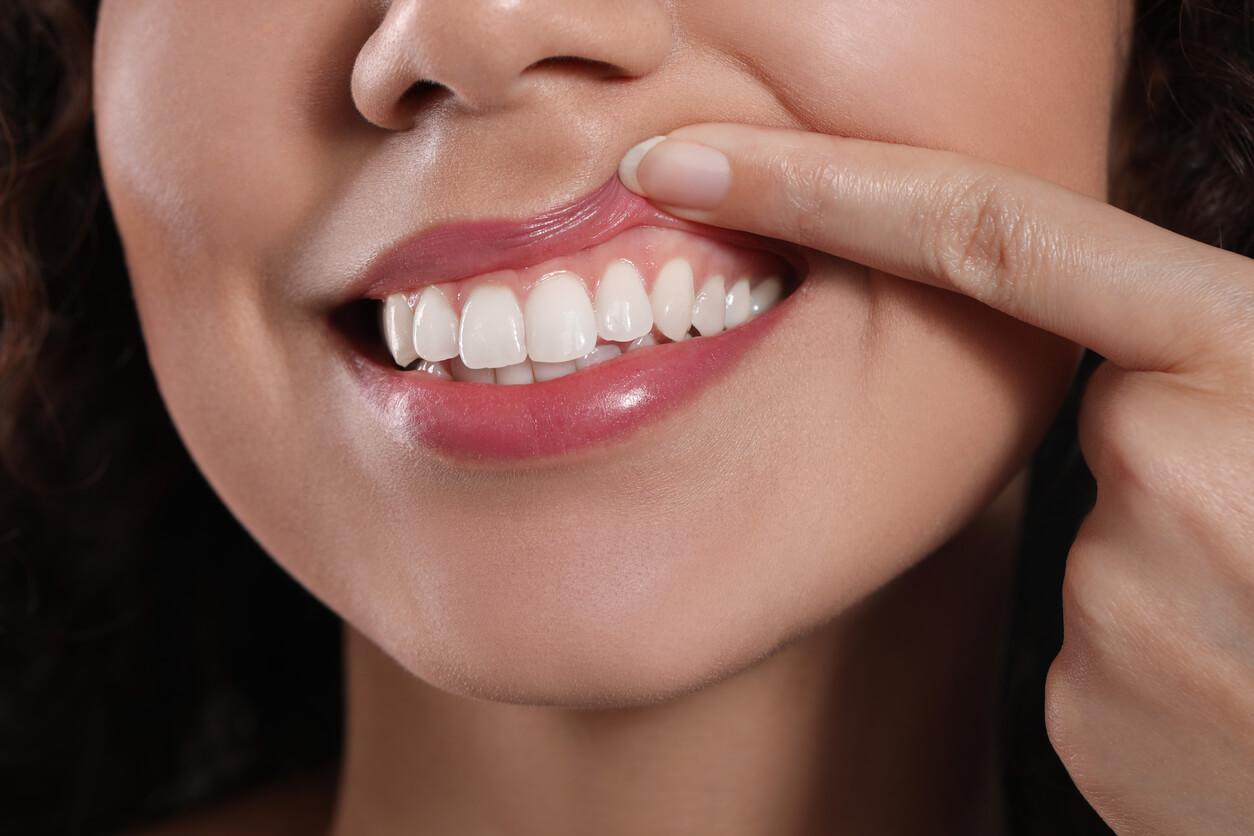
What Do Healthy Gums Look Like?
Your gums protect your teeth and reveal clues about your overall health. Learning to recognize healthy tissue helps you spot gum problems early and take action before minor issues become serious periodontal disease.
Key Signs of Healthy Gums
Maintaining healthy gums requires knowing what normal tissue looks and feels like. Healthy tissue displays several distinct features: a consistent color, a firm texture, a snug fit around the teeth, and no bleeding during your oral care routine.
What Color Do Healthy Gums Look Like?
When examining gums, healthy tissue typically appears in shades from pale to coral pink. However, normal skin tone can vary depending on your individual skin type and natural melanin levels.
- People with lighter complexions usually have pink gums
- Those with darker skin tones often have brown to dark-brown pigmentation of the gums
Long-standing, symmetrical brown pigmentation is often physiologic (related to melanin), especially in darker skin tones. However, new, asymmetric, or changing pigmentation should be examined to rule out pathological causes.
What matters isn’t matching a specific shade. Instead, look for a consistent tone throughout your mouth.
Bright red gums, white patches, or sudden color changes signal inflammation or the early stages of gum inflammation that require attention from a dental professional.
Texture and Feel
Healthy gums feel firm and resilient when you gently press them with a clean finger. The tissue should spring back immediately rather than feeling soft or spongy, indicating strong attachment to your teeth and underlying bone.
Look closely, and you might notice a subtle dimpled surface on the attached portion near your teeth. This texture, known as stippling, appears naturally where tissue firmly attaches to bone. Not everyone has visible stippling, and its absence doesn’t indicate a gum problem.
Shape and Fit
So, what do normal, healthy gums look like in terms of contour?
Picture a scalloped edge curving smoothly around each tooth. Triangular peaks called papillae fill the spaces between teeth, fit snugly against each surface, and create a protective seal without gaps.
Gum recession occurs when the tissue that surrounds the teeth pulls away, exposing more of the tooth surface or even the roots. The gum line should stay at a consistent level around all your teeth, neither pulling back nor covering excessive tooth surface. Receding gums often signal poor oral hygiene or aggressive brushing habits.
Comfort During Daily Care
One of the most reliable signs of gum health is the absence of bleeding gums during brushing or flossing. While you may notice slight bleeding when first resuming flossing after a break, this should subside within a few days as healthy tissue adapts.
If bleeding appears only when you resume flossing, it often improves within 1–2 weeks with consistent cleaning. Persistent bleeding signals gingivitis and needs professional care. Your tissue should remain comfortable during eating, drinking, and cleaning. Pain, tenderness, or temperature sensitivity all warrant professional evaluation.
Warning Signs of Unhealthy Gums
The CDC reports that about 42% of adults aged 30 and older in the United States have some form of periodontitis. Catching problems early through paying attention to changes makes treatment simpler and can prevent gum disease from progressing to more severe stages. Left untreated, even mild gum disease can progress to severe gum disease, resulting in permanent damage.
Watch for these signs of gum disease:
- Red, swollen gums and inflammation: Color changes can have different meanings. Bright red gums or sudden, diffuse reddening usually indicate inflammation (gingivitis). White patches can be caused by several different conditions. These include removable fungal plaques and leukoplakia, which may require biopsy. Any new or persistent white patch should be evaluated by your dentist.
- Swelling: Puffy or enlarged tissue, especially swollen gums along the gum line, suggests bacterial buildup and gum inflammation.
- Persistent bleeding: Regular bleeding during brushing or flossing means irritation or infection from plaque and food particles trapped beneath the surface.
- Gum recession: Teeth appear longer or roots become visible, indicating tissue pulling away and creating pockets where harmful bacteria can accumulate.
- Persistent bad breath: Ongoing odor that doesn’t improve with brushing can come from periodontal pockets, but may also arise from tongue coating, dry mouth, or other non-dental causes. A dental exam helps identify the source.
- Loose teeth: Advanced periodontitis can cause bone loss, leading to loose teeth or tooth loss if left untreated.
If you notice any changes, schedule an evaluation with your dentist. Gingivitis is usually reversible with improved daily oral hygiene and a professional dental cleaning. Many patients experience noticeable improvement within days to a few weeks, although the exact timeline depends on the severity and individual response.
Advanced gum disease causes permanent damage to tissue and bone, requiring ongoing management to prevent tooth decay and further tooth loss.
How Gum Health Affects Your Body
Research shows that gum disease is linked with several health conditions, including:
- Diabetes
- Cardiovascular disease
- Chronic kidney disease
- Adverse pregnancy outcomes
- Rheumatoid arthritis
- Alzheimer’s disease
These links may involve inflammation and oral bacteria, but scientists are still studying exactly how these relationships work. What’s clear is that your mouth can offer early signs of changes in your overall health.
This connection goes both ways. Gum inflammation has been linked to systemic inflammation throughout the body, and conditions such as diabetes can increase the likelihood and severity of gum disease. Maintaining healthy gums is essential for supporting your overall well-being.
Some medications, such as phenytoin, cyclosporine, and certain calcium-channel blockers, can cause the gums to become thicker or puffy. If you’re taking any of these, good daily oral care and regular dental checkups are especially important. In some cases, your dentist may recommend consulting your doctor to determine if a different medication is an option.
Maintaining Healthy Gums Through Daily Care
The foundation of gum care starts with brushing twice a day with a soft-bristled toothbrush and fluoride toothpaste, and flossing once daily to remove plaque and food particles between teeth. Visiting your dentist regularly for professional cleanings should also be an integral part of your routine. This oral care routine helps prevent plaque bacteria from hardening into tartar, a process that requires professional removal.
Additional protective measures to keep your gums healthy include:
- Angle your brush properly toward where teeth meet tissue, using gentle circular motions to clean the gum line effectively. This removes bacterial film before it hardens while avoiding damage to delicate tissue.
- Choose fluoride toothpaste that supports both enamel and surrounding tissue. This helps prevent tooth decay while promoting gum health.
- An antimicrobial rinse (for example, chlorhexidine) may be helpful in specific situations but is usually prescribed for the short term. Ask your dentist before starting long-term use.
- Maintain a healthy diet with adequate vitamins and minerals supporting tissue repair and immune function. A healthy mouth depends partly on a balanced diet.
- Avoid tobacco use in all forms. Tobacco dramatically increases your risk of developing all stages of gum disease, slows healing, and makes treatments less effective.
- Manage stress to support your immune system’s ability to fight oral bacteria and inflammation.
If you notice color changes, bleeding, swelling, or discomfort, schedule a dental evaluation rather than waiting for your next routine visit. Addressing early warning signs can prevent the progression from mild to advanced stages and help you maintain a healthy mouth for life.
Experience Comprehensive Gum Care in Meeker and Rangely
Your gums anchor your teeth and protect underlying bone, making their health essential to keeping your natural smile for years to come. At Grant Family Dentistry, we understand that preventing gum disease requires more than just excellent dental care. It demands a partnership built on education, personalized attention, and ongoing support.
Our dentists bring advanced training and a commitment to continuous improvement to every patient interaction. With Dr. Grant’s Master’s Certification from the International Dental Implant Association and specialized training in multiple areas of dentistry, our team has the expertise to identify the early signs of gum disease and provide comprehensive treatment tailored to your unique needs. We believe in helping you achieve optimal dental health through thorough evaluations, professional cleanings that remove harmful plaque bacteria, and personalized guidance for maintaining your oral health routine at home.
Schedule your comprehensive gum health evaluation today at our convenient locations in Meeker or Rangely. Call to book your appointment and take the first step toward a healthier mouth and a more confident smile.