



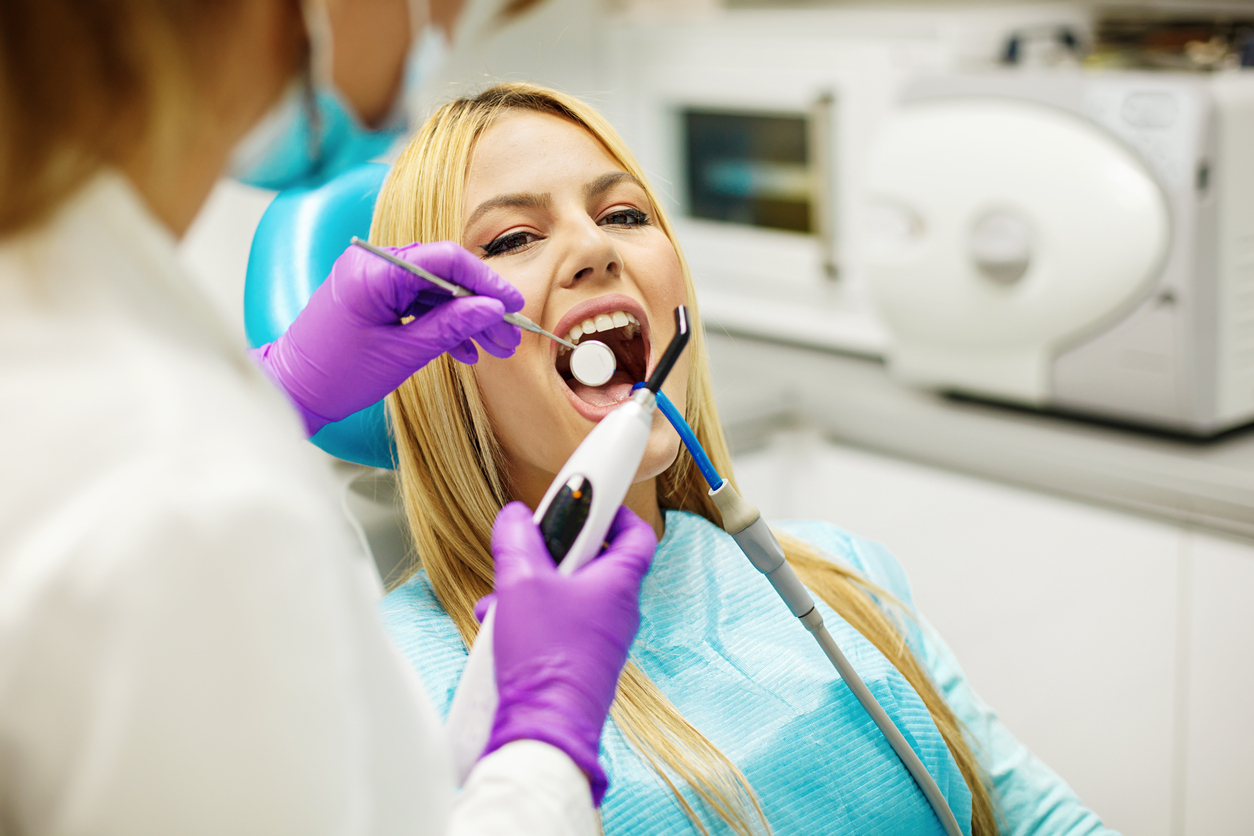
Is Dental Deep Cleaning Necessary?
A dental deep cleaning, also known as scaling and root planing, is recommended when gum disease begins to hide below the gumline, which regular cleanings can’t reach. Conditions such as bleeding gums, inflammation, deeper pockets, or bone changes on X-rays help you determine when it’s truly necessary.
Let’s walk through what those signs mean, when deep cleaning helps, and when it may not be necessary.
What Makes Deep Cleaning Different From Regular Cleaning?
Routine cleaning focuses on removing plaque and tartar from tooth surfaces above the gum line. During these preventive visits, your dental hygienist removes plaque buildup and tartar accumulation, helping to maintain the health of your teeth and gums when no disease is present.
Deep teeth cleaning goes beneath the gum line to treat gum disease. A dental professional removes disease-causing bacteria, plaque, and tartar deposits, as well as rough spots on root surfaces where germs tend to accumulate.
According to the American Academy of Periodontology, this procedure specifically addresses periodontal disease. It eliminates bacterial infection below the gum tissue that brushing cannot reach.
| Regular Cleaning | Deep Cleaning Teeth |
| Above the gum line | Below the gum line |
| Removes plaque/tartar | Removes bacteria + smooths root surfaces |
| Preventive maintenance | Treats active disease |
| Every 6 months | As needed for the disease |
Deep cleaning is often completed in one or two visits. Appointment length varies based on how many areas need treatment and how much buildup is present. Dentists use a topical or local anesthetic to ensure comfort while working below the gum line.
When Is Dental Deep Cleaning Necessary?
Dentists measure periodontal pockets during exams, which are the spaces between gum tissue and teeth. Healthy gums maintain pockets measuring 1-3 millimeters in depth.
The 2017 AAP/EFP classification system emphasizes that periodontitis diagnosis involves multiple factors:
- Clinical attachment loss
- Bleeding on probing
- Radiographic bone loss
- Staging for severity
Deep cleaning teeth is typically indicated when:
Periodontal Pockets Reach 4-5mm With Bleeding on Probing
Pocket depth alone doesn’t determine need, as bleeding during probing and clinical attachment loss are equally important indicators. The CDC reports that approximately 4 in 10 U.S. adults aged 30 and older had periodontitis between 2009 and 2014. This makes teeth scaling a common medical necessity when active inflammation is present.
Bleeding Gums Occur During Brushing or Flossing
Occasional bleeding might be a minor irritation. Consistent bleeding signals gum inflammation from bacteria and trapped food particles in periodontal pockets. This persistent symptom, combined with probing depths, requires professional intervention to treat the infection.
X-Rays Reveal Bone Loss Around Teeth
Periodontitis attacks the bone supporting healthy teeth. Once bone loss begins, routine cleaning can’t reach the affected areas. Teeth scaling and root planing help stop progression before causing loose teeth or tooth loss.
Persistent Bad Breath Occurs With Other Symptoms
While bad breath alone isn’t diagnostic, it can result from a variety of factors, including diet and dry mouth. When it accompanies bleeding gums, deep pockets, or tartar buildup, it may indicate periodontal infection. Confirmation should be based on periodontal measurements and X-rays.
Gum Recession Exposes Root Surfaces
Recession can indicate attachment loss and may expose root surfaces that are more vulnerable to plaque buildup and sensitivity. Your dentist should interpret recession alongside bleeding, attachment levels, and X-ray bone support. Note that a recession doesn’t always mean “deep pockets.”
The National Institute of Dental and Craniofacial Research emphasizes that untreated periodontal infection can lead to tooth loss. Scaling and root planing help preserve natural teeth and maintain overall oral health when these warning signs appear.
How to Verify Your Dentist’s Recommendation
Get a second opinion if you’re unsure. Treatment philosophies vary. Some dental professionals prefer early intervention, while others monitor first with improved dental hygiene and good care habits at home.
Ask these specific questions:
- What are my exact pocket depth measurements?
- Do I have clinical attachment loss?
- Do I have bone loss on X-rays?
- What happens if I delay this procedure?
- Can improved home care reverse my condition?
- How much treatment will be required?
A thorough evaluation should include full-mouth pocket depth charting (six measurements per tooth), X-rays showing bone levels, and a review of bleeding points. Your dentist should clearly explain the treatment plan before scheduling any invasive procedures. Be cautious if deep teeth cleaning is recommended without these comprehensive measurements or if you’ve recently had consistent good checkups with no oral health issues.
Early-stage gum disease (gingivitis) often improves with better brushing and flossing. The American Dental Association notes that gingivitis is reversible, provided it is detected and treated before it progresses to periodontitis.
If measurements consistently show 5mm or deeper pockets with bleeding, clinical attachment loss, and bone loss, this treatment is legitimately indicated. These conditions won’t improve on their own.
Is a Deep Dental Cleaning Necessary? Here Are the Risks of Delaying Treatment
Periodontal infection doesn’t stay stable. When untreated, periodontitis can progress. Without intervention, infectious bacteria continue to destroy bone and connective tissue, and the periodontal pockets deepen. Teeth eventually loosen and may require extraction, which is a preventable outcome when proper dental care is provided early.
Periodontitis progression varies widely depending on individual risk factors. Smoking and diabetes can increase both risk and severity of disease. Deeper pockets are harder to clean, so inflammation and bone loss may continue without effective treatment and maintenance. How quickly this happens varies by person.
Research published in consensus reports shows that periodontitis is associated with systemic conditions such as cardiovascular disease and diabetes. Researchers have proposed plausible inflammatory and bacterial pathways linking these conditions. That said, these relationships are complex, and “association” doesn’t always mean direct cause-and-effect. Some studies suggest periodontal treatment may modestly improve glycemic control in patients with diabetes.
Scaling and root planing aim to remove subgingival plaque and calculus and smooth contaminated root surfaces so tissues can heal. After treatment, many patients see reduced bleeding and shallower pockets. The gum-to-tooth seal can become healthier and more stable, although the biological healing process is complex and doesn’t always result in true regeneration of attachment.
What to Expect: Is Deep Cleaning Painful?
It’s completely normal to worry about discomfort. The good news is that modern deep cleaning techniques are designed to be comfortable for most patients.
During the procedure:
- A topical or local anesthetic is used to numb the area being treated
- Plaque and hardened buildup are removed from below the gumline
- You may feel pressure or mild sensitivity, but pain is uncommon
After the appointment:
- Temporary sensitivity to hot or cold foods is common for a few days
- Gums may feel tender as they heal
- Warm saltwater rinses can help reduce inflammation
- Soft foods are recommended for the first few days
- A soft-bristle toothbrush helps protect healing gums
Most patients find recovery very manageable, especially with the use of over-the-counter pain relief if needed. Any short-term discomfort is typically outweighed by the long-term benefits: healthier gums, reduced infection, and better support for your teeth moving forward.
When Deep Cleaning Might Not Be Necessary
While understanding the procedure and recovery is important, it’s equally crucial to recognize when this treatment isn’t necessary.
Some situations don’t warrant deep teeth cleaning:
- Periodontal pockets measure 3mm or less with no bleeding. This indicates healthy gums and healthy teeth. Regular six-month dental cleaning appointments are sufficient for maintaining gum health.
- You have isolated 4mm pockets with no other signs of disease. Some dentists recommend scaling and root planing at the first sign of 4mm pockets. Others prefer to monitor their dental hygiene practices first, including proper brushing with a soft-bristled toothbrush and daily flossing to remove plaque between teeth.
- Inflamed gums result from inconsistent flossing. Temporary gum inflammation from neglecting routine care doesn’t automatically require deep dental cleaning. Ask the dental professional if improving technique for 4-6 weeks might resolve the issue.
Trust your instincts. If something feels off about the recommendation, seek another professional opinion. But don’t ignore legitimate warning signs because of cost or anxiety.
Expert Periodontal Care in Meeker and Rangely
At Grant Family Dentistry, we strive to provide transparent, evidence-based dental care that consistently exceeds expectations. Our dentists use comprehensive pocket depth charting, bleeding on probing assessment, and detailed X-ray analysis to determine if dental deep cleaning is truly necessary for each patient’s situation. With advanced training in periodontal therapy and a commitment to patient education, our team ensures you understand exactly what you need and why before any treatment begins.
Whether you’re in Meeker or Rangely, our patient-centered approach means you’ll never feel pressured into unnecessary procedures. We take the time to answer questions, explain measurements, and create a personalized treatment plan that helps preserve healthy teeth for life. Our goal is to help you achieve and maintain dental wellness through proper care.
Have questions about your periodontal health? Schedule your comprehensive periodontal evaluation at Grant Family Dentistry today.